
Social Media Archiving for School Districts: A Complete 2026 Compliance Guide

In 2025, more than 1,000 districts sued major social media platforms over student mental health harm. In May 2026, a Kentucky school district settled a $27 million lawsuit, with Meta alone paying $9 million.
Today, Facebook and Instagram are the dominant platforms with nearly every district managing multiple official accounts to announce closures, share student achievements, and issue emergency alerts.
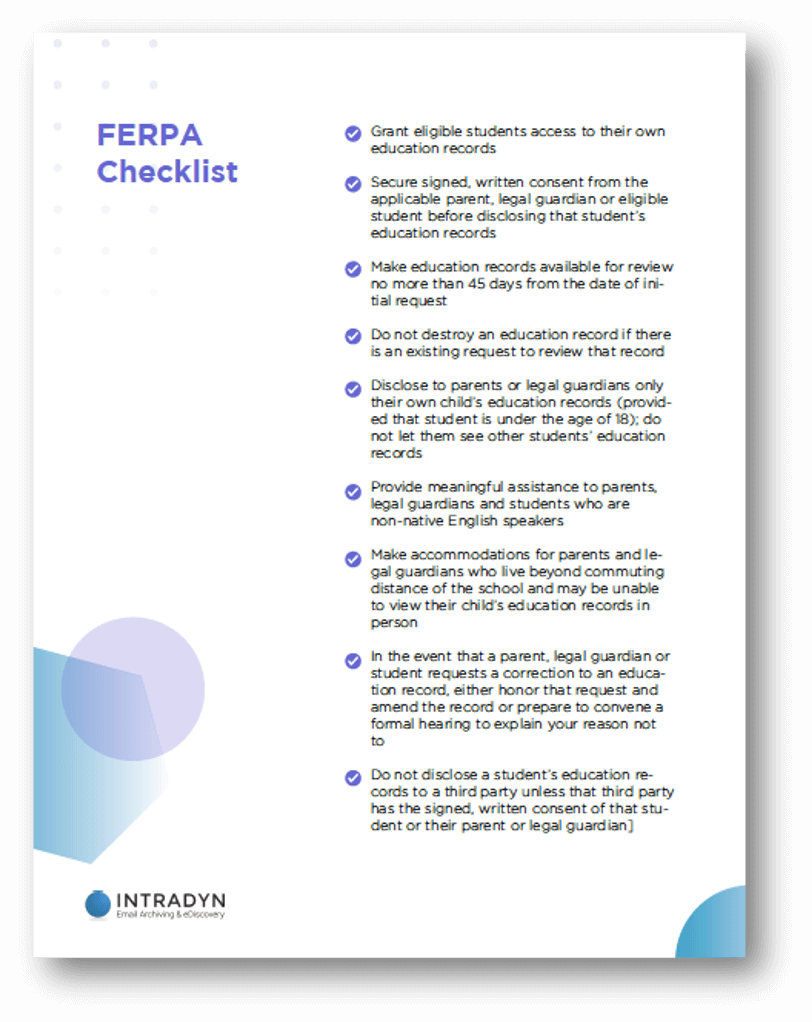
But school districts underestimate the FERPA risk: a single photo or achievement post naming a student can count as unauthorized disclosure of an education record.
Every post, comment, direct message, and deleted comment on an official account can be a public record.
In this blog, we will cover:
- How K-12 districts use social media in 2026
- The legal framework behind social media archiving: FOIA, FERPA, and First Amendment rules
- Why deleted content creates serious compliance risk
- Why screenshots don’t meet legal standards
- What districts must archive, and what they often miss
- A step-by-step implementation framework for compliance
- How social media archives hold up in litigation
What K-12 Districts Must Archive: A Complete Inventory
A compliant social media archiving program for a K-12 district must capture every type of content that may constitute a public record or education record.
This is a broader category than most districts realize.
Content Published on Official District and School Accounts
- All posts: Every text, photo, video, link, and story published on any official district or school social media account, on any platform.
- Original versions of edited posts: When a post is edited, the archive must preserve both the original version and all subsequent edits, with timestamps for each change.
- Deleted posts: Content that is deleted by district staff must be captured before deletion and retained as a record. Deletion is itself part of the record.
- Stories and time-limited content: Platforms such as Instagram and Facebook offer “Stories” that disappear after 24 hours. If district staff use Stories for official communications, those Stories are communications that may be subject to retention obligations, and must be captured before they expire
- Live video: School board meetings broadcast live on Facebook, YouTube presentations, Instagram Live events. These examples of public communications that may constitute public records and must be archived
Community Engagement Content
- All comments on district posts: Every comment from community members, parents, students, or other parties on official district social media posts.
- Deleted and hidden comments: Comments removed by district staff or hidden from public view must be captured and retained. They remain part of the record and are significant if the deletion is later challenged as a viewpoint of discrimination.
- Replies and comment threads: Full conversation threads, including district staff responses to community comments.
- Direct messages: Communications sent directly to official district accounts through platform messaging functions that discuss district business, including messages from parents, community members, or journalists.
Key Takeaways
- Every social media post, comment, DM, and deleted comment on an official district account may be a public record, subject to open records requests and legally required to be preserved, even after deletion.
- FERPA risk on social media is broader than most districts realize. A single photo or achievement post naming a student can constitute unauthorized disclosure of an education record, and even private accounts can trigger violations.
- Screenshots don’t meet legal standards for compliance. They lack metadata, can’t capture deleted or edited content systematically, and are increasingly easy to challenge as manipulated given accessible AI image editing.
- Deleted content creates serious legal exposure. If content is deleted before being archived, districts risk spoliation findings, adverse inference jury instructions, and discovery sanctions in litigation.
- Comment moderation carries First Amendment risk. Courts have found that selectively deleting critical comments while leaving supportive ones can constitute viewpoint discrimination, especially without an archived record of what was removed and why.
- A complete archive must go beyond the main district account, capturing content from every school, athletic department, club, and staff account conducting official business, including ephemeral content like Instagram Stories.
- An implementation framework covering account inventory, written policy, purpose-built archiving, integration with email/SMS, retention scheduling, staff training, and a documented FOIA response workflow gives districts a repeatable path to compliance.
- Social media archives are increasingly relevant in litigation, from mega-lawsuits against platforms over student mental health harm to everyday disputes involving employment, discipline, and bullying claims.
FAQ
Do school districts have to archive their social media posts?
Yes. Official social media content, including posts, comments, and direct messages, is considered a public record under state open records laws. This extends to content that’s later deleted or edited, so districts need a way to capture it before it disappears.
Can a district get in trouble for deleting a social media comment?
It can. Courts have found that selectively deleting specific comments while leaving supportive ones amounts to viewpoint discrimination under the First Amendment. Deleting comments without a content-neutral reason, or without a record of what was removed and why, exposes the district to legal risk.
Does FERPA apply even if a post doesn’t name a student?
Yes. A student doesn’t need to be named directly for a violation to occur. Indirect identifiers, like disability type, class size, or specific context, can still make a student identifiable and constitute unauthorized disclosure.
Why aren’t screenshots enough for compliance?
Screenshots lack independently verified timestamps, unique post identifiers, and hash values proving the content wasn’t altered. They also can’t reliably capture deleted comments, edited posts, or direct messages across multiple accounts.

Social Media and School District Litigation: Why Your Archive Is Evidence
In May 2026, Breathitt County School District became the first district to settle a $27 million lawsuit against major social media platforms over student mental health harm, reaching an agreement with Meta, Snap, ByteDance, and Alphabet. This is both a landmark outcome and a compliance lesson.
Districts involved in litigation over social media harms will likely face discovery requests for their own records. This can include communications about social media policies, posts referencing student mental health, responses to parent complaints sent by direct message, and public statements about the harms of social media to students.
This is a contradiction of the current litigation era. Districts are suing social media companies while simultaneously being required to produce their own social media records.
Districts without a comprehensive archive are at a disadvantage in these cases. They can’t demonstrate a consistent and documented awareness of social media harms and risk sanctions for failing to preserve records that opposing counsel requests.
This risk isn’t limited to mega-litigation either. Everyday disputes involving teacher terminations, student discipline for off-campus conduct, bullying claims, and parent complaints can all require production of social media records. Without an archive, districts are left conducting eDiscovery by memory and screenshots, an approach that is unreliable, costly, and legally risky.